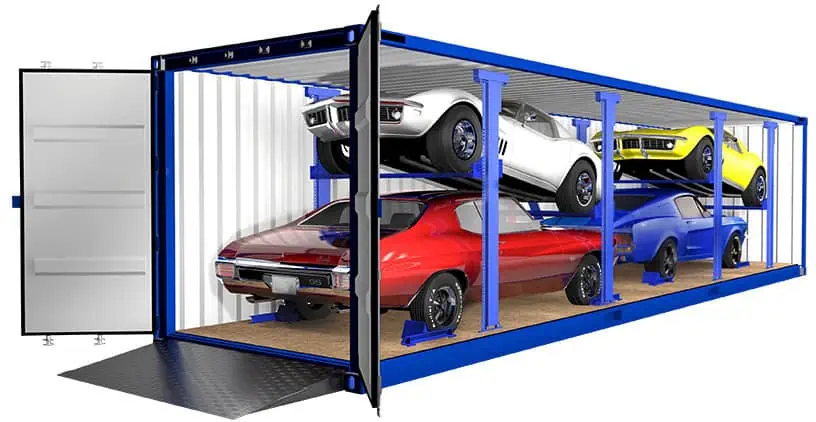
Standard Ocean Containers
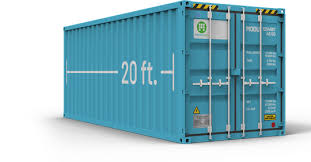
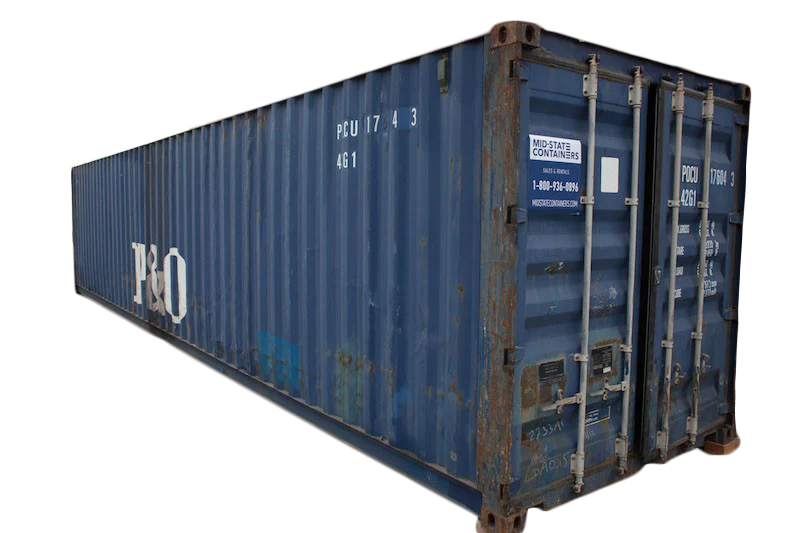
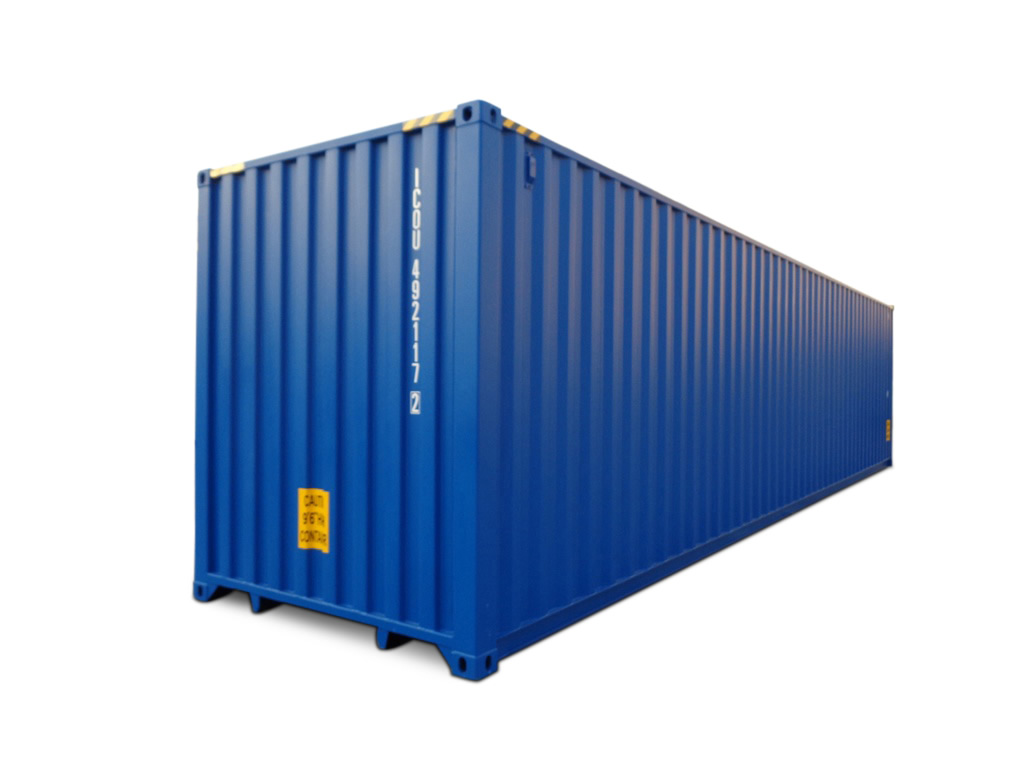
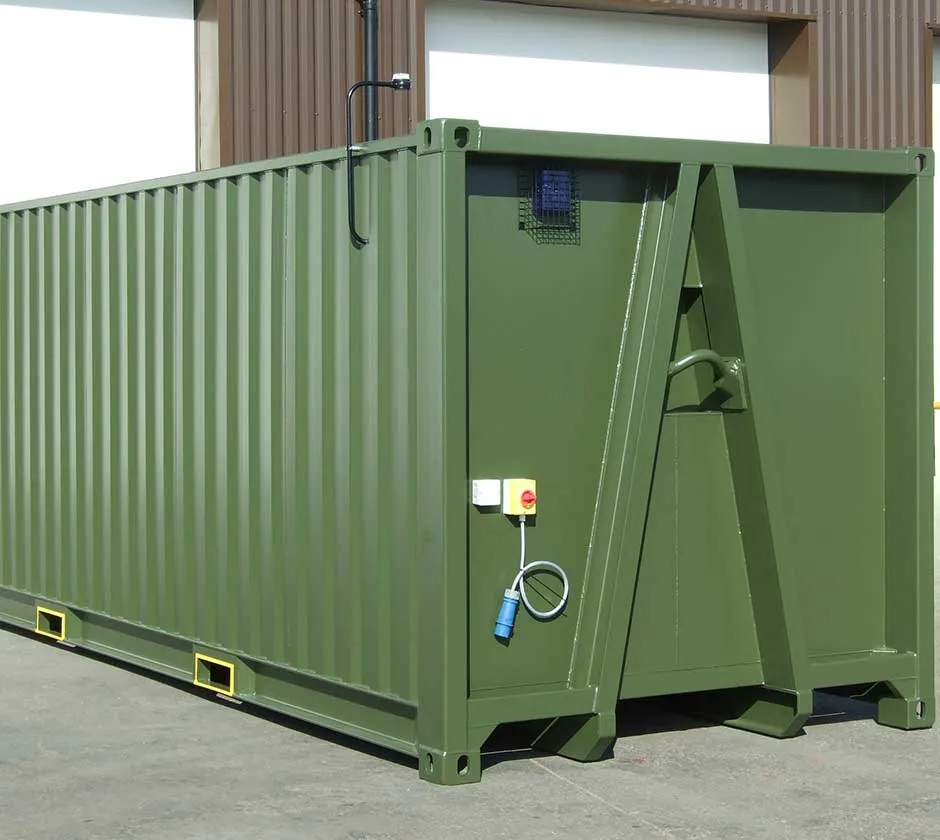
General purpose containers suitable for most dry cargo shipments.
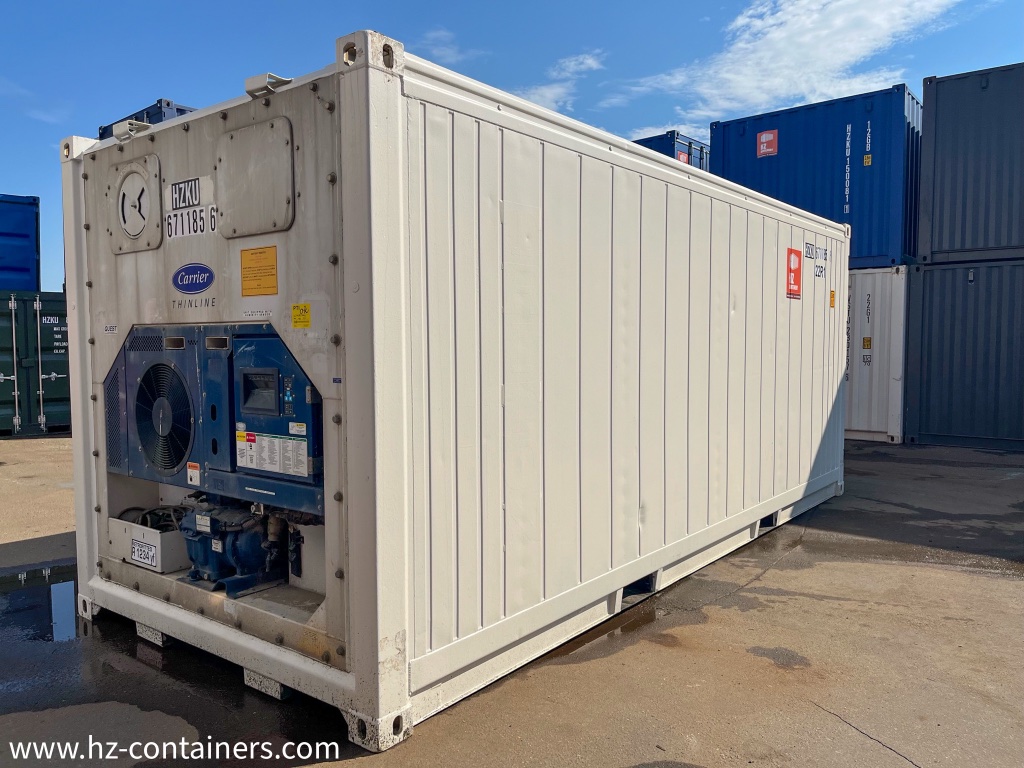
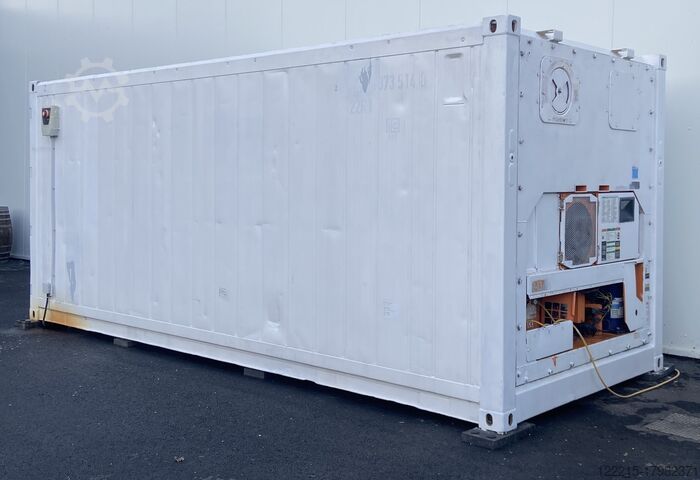
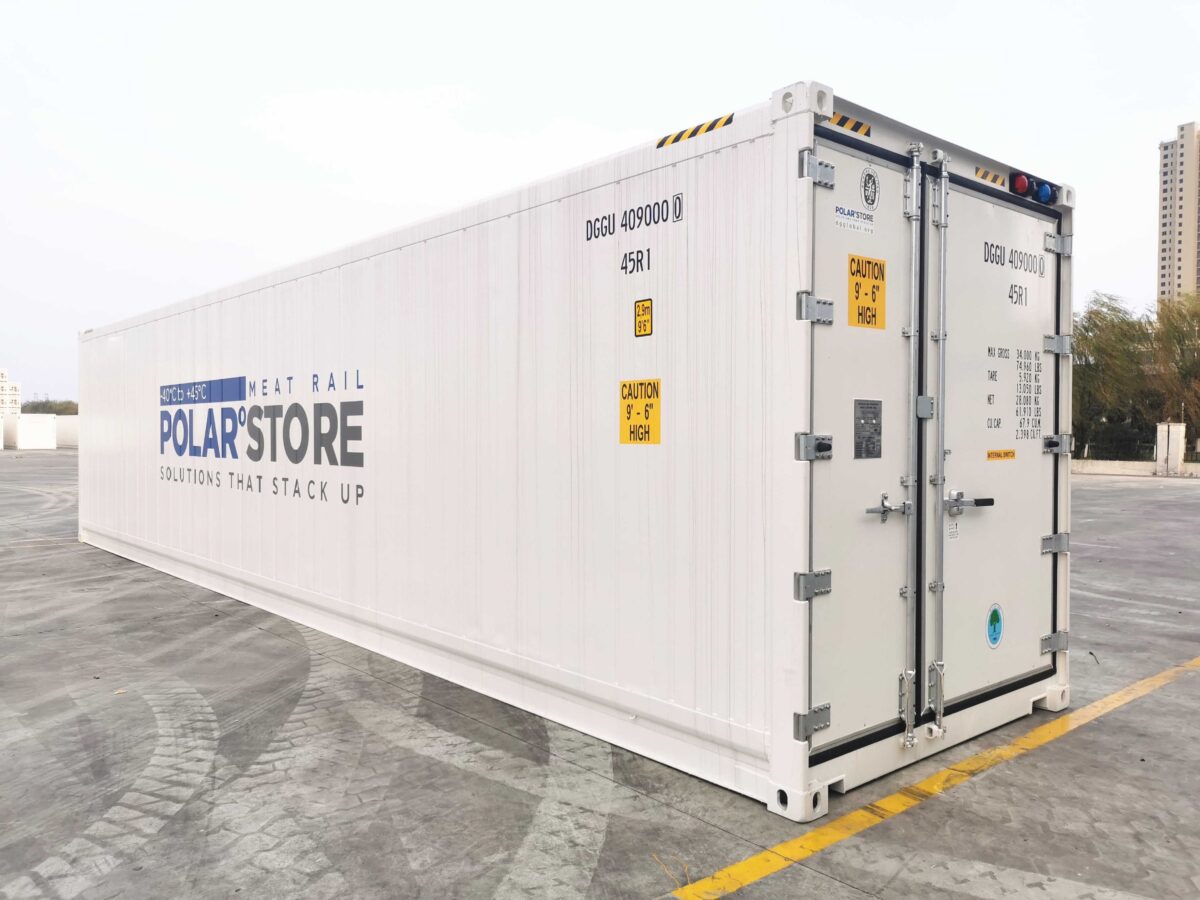
Refrigerated Ocean Containers
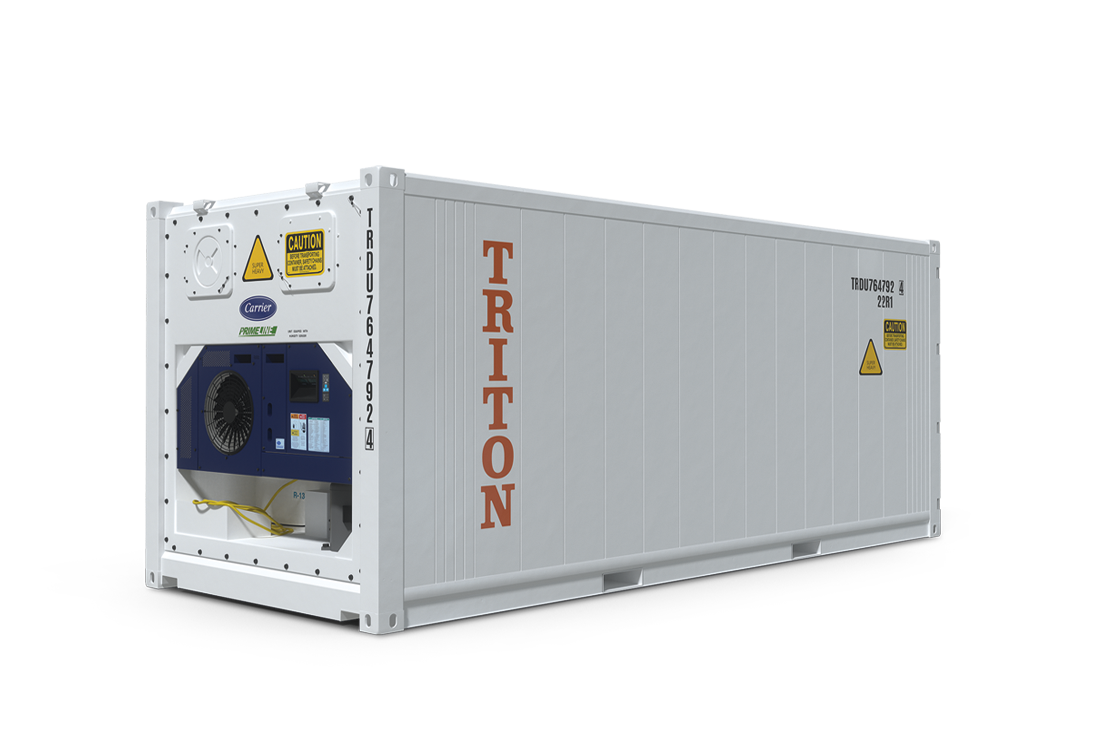
Temperature-controlled containers for perishable goods and other temperature-sensitive cargo.
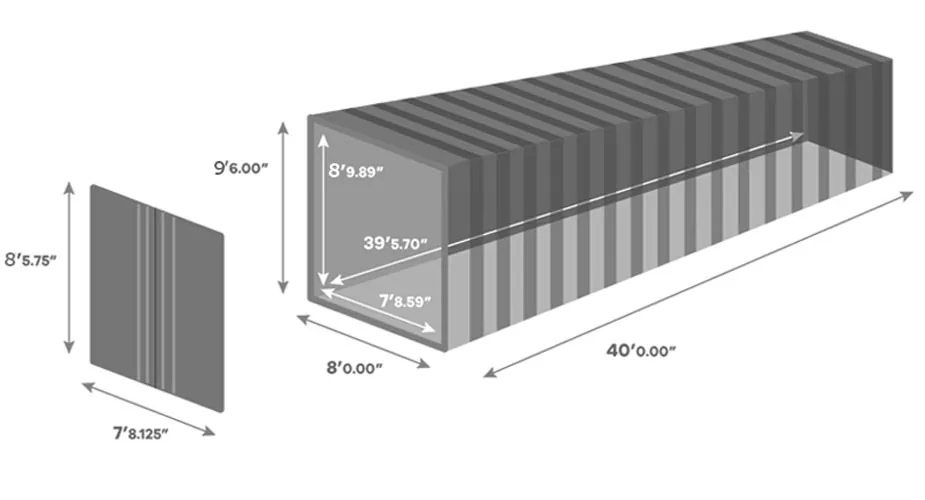
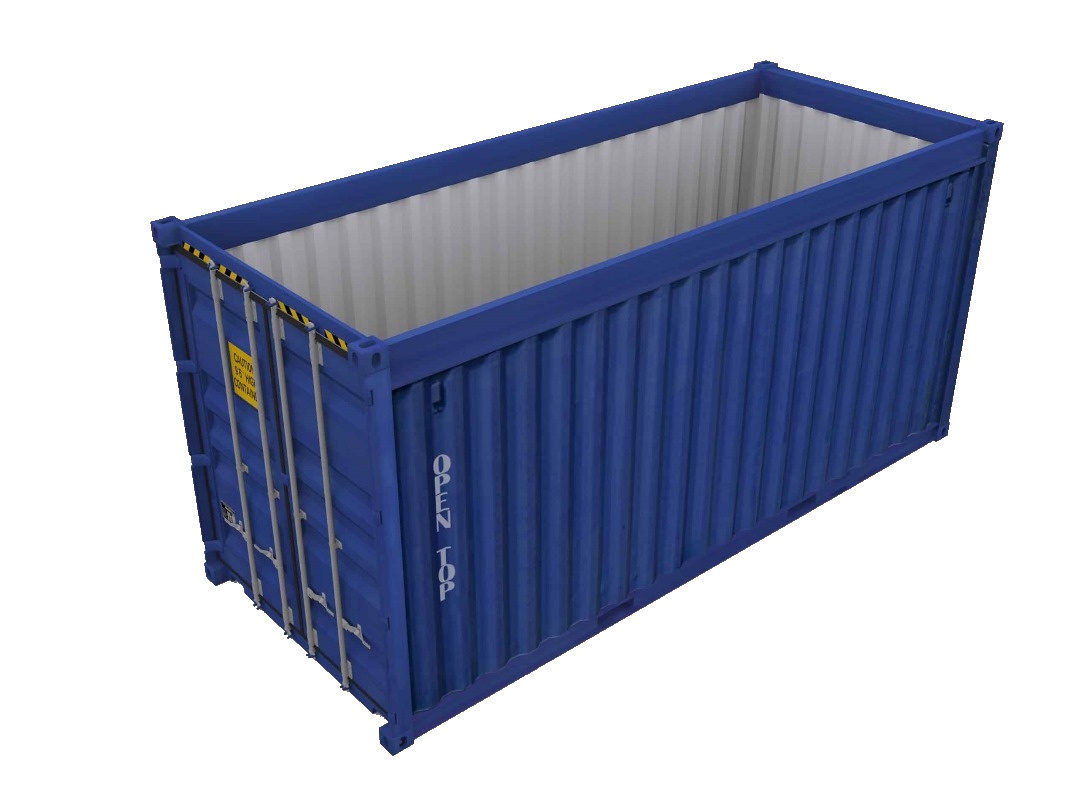
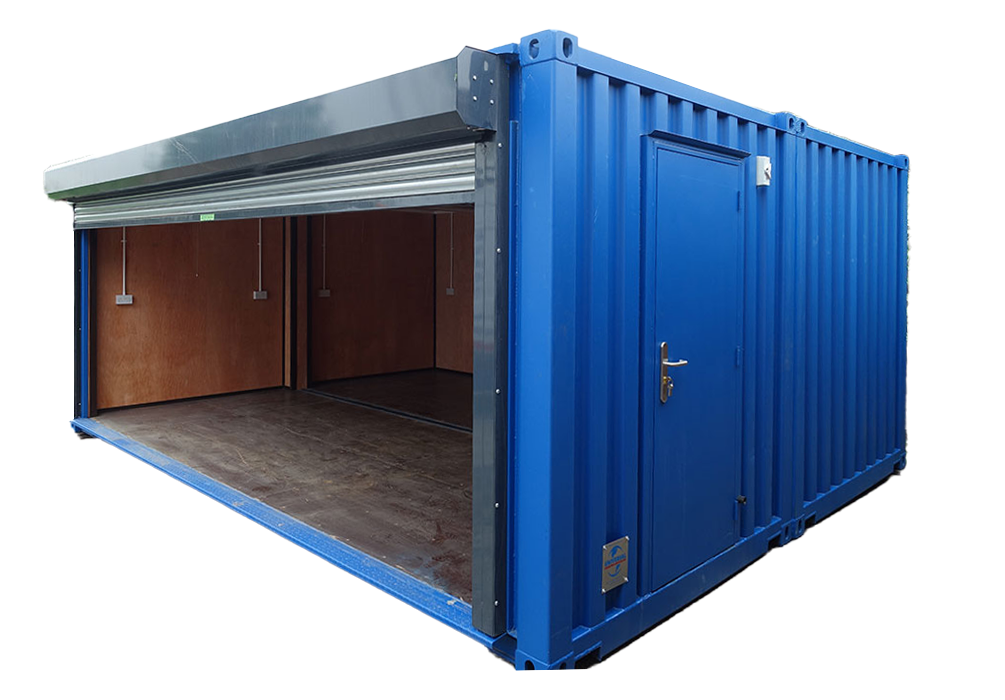
Open Top Ocean Containers
Containers with removable tops for easy loading of oversized or tall cargo.
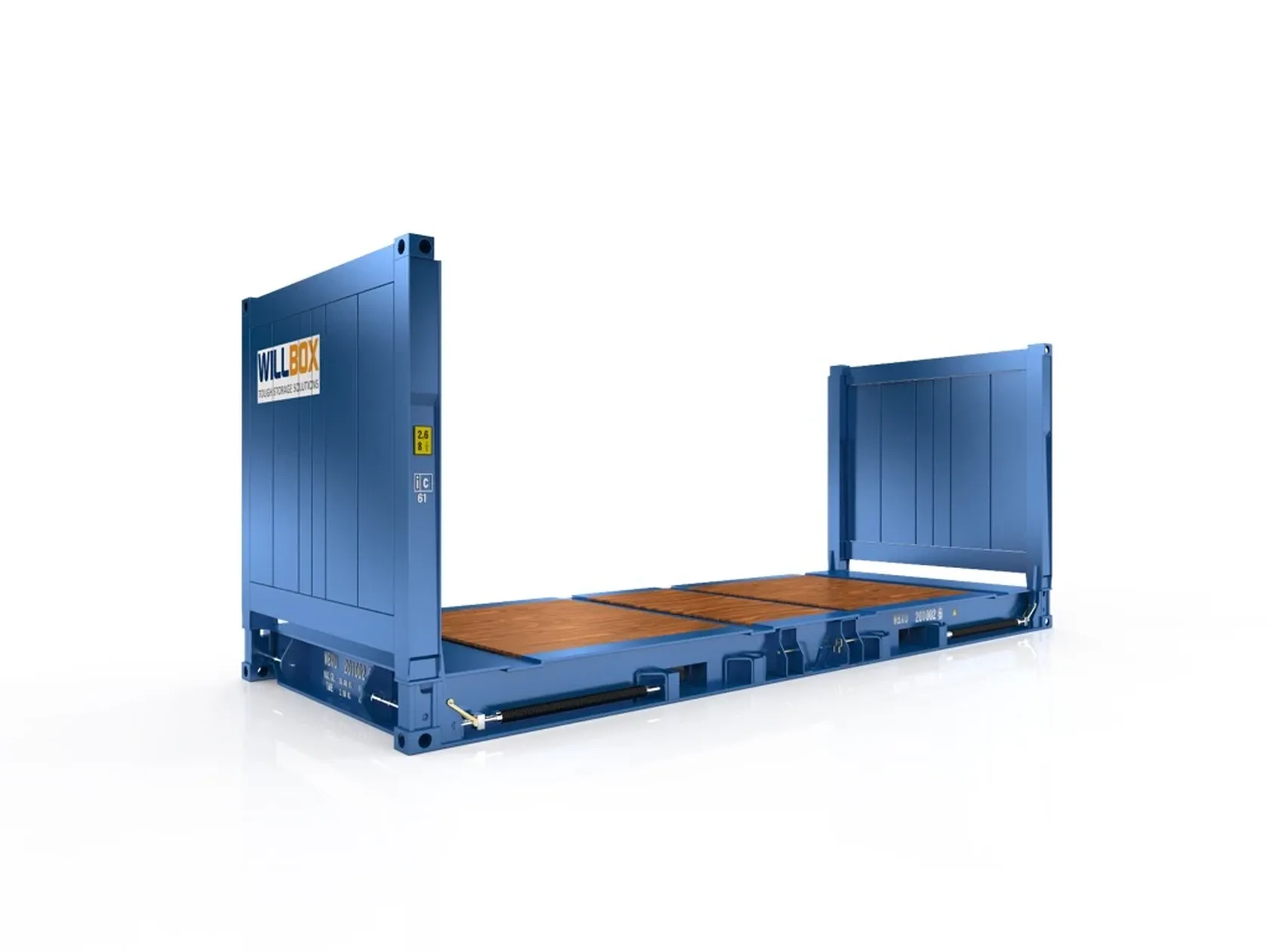
Flat Rack Ocean Containers
Collapsible side containers ideal for heavy or oversized cargo that requires side loading.
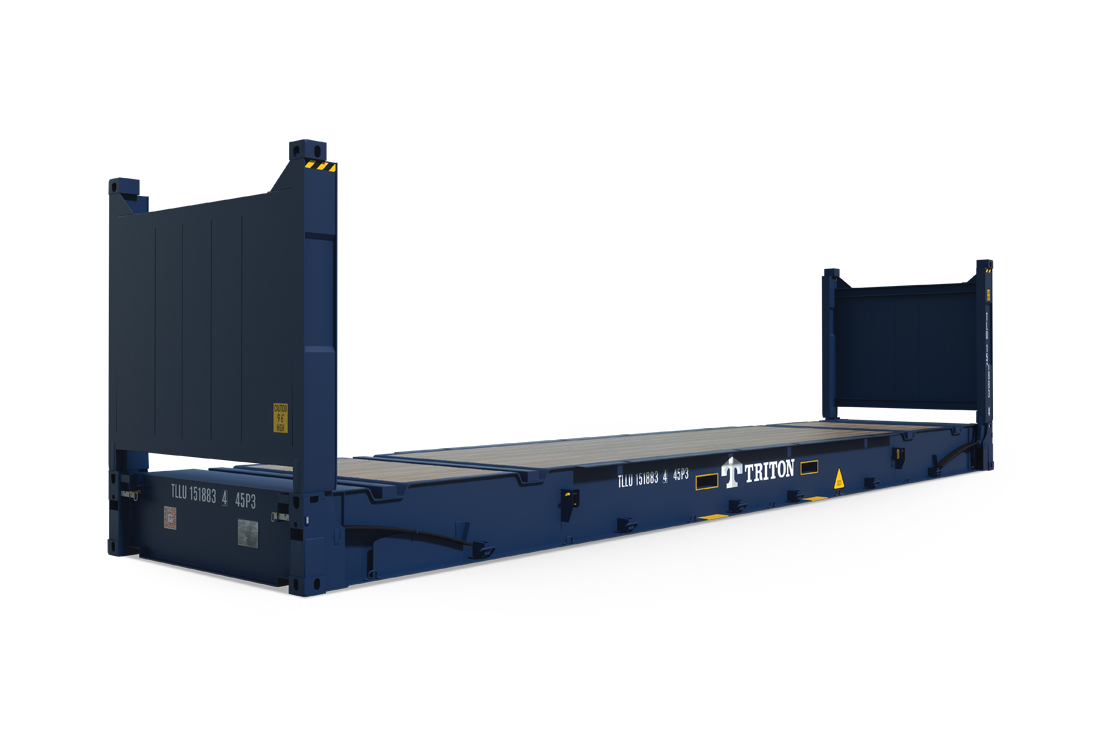
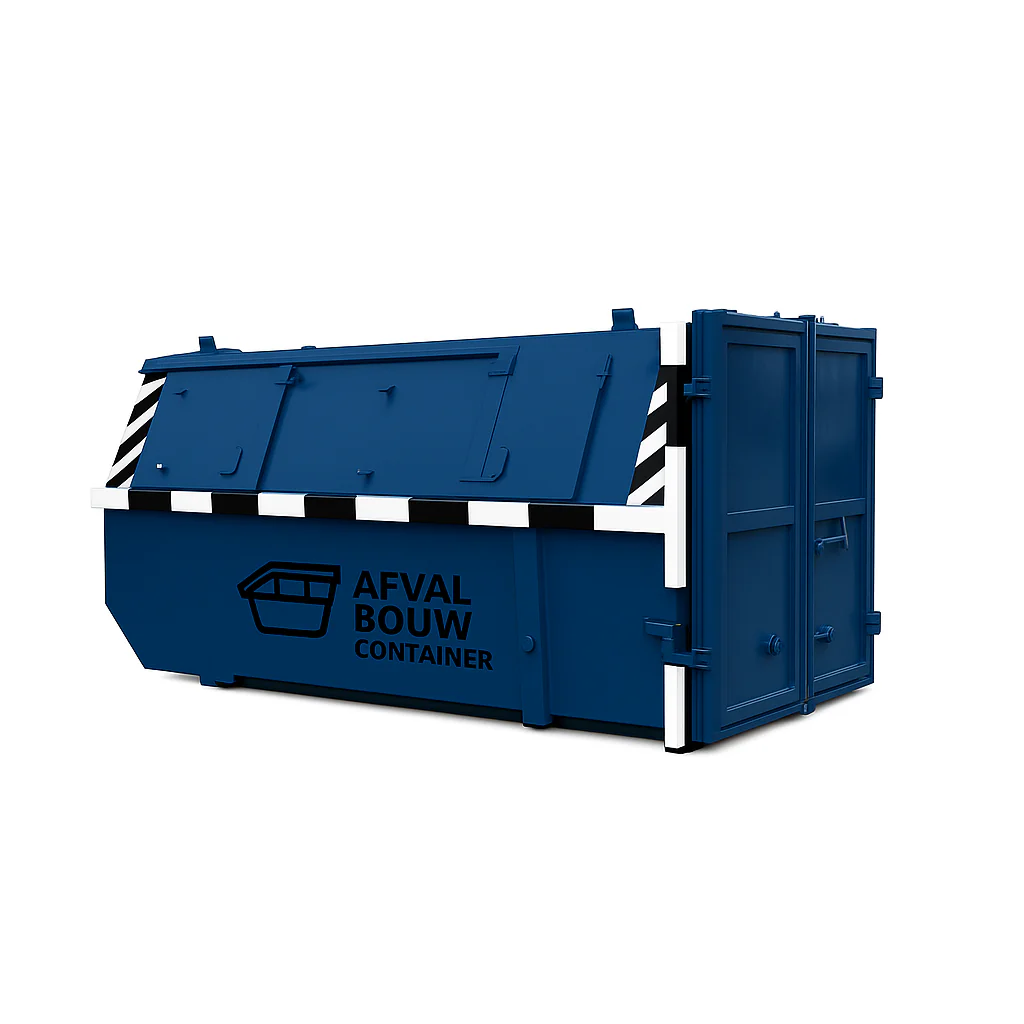
Platform Containers
Flat platforms for extremely heavy or oversized cargo that doesn't require container walls.
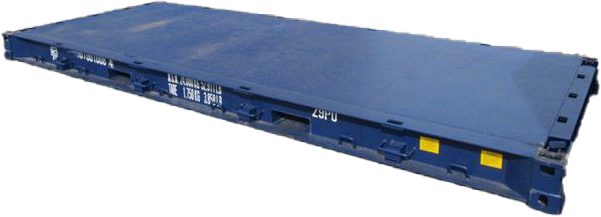
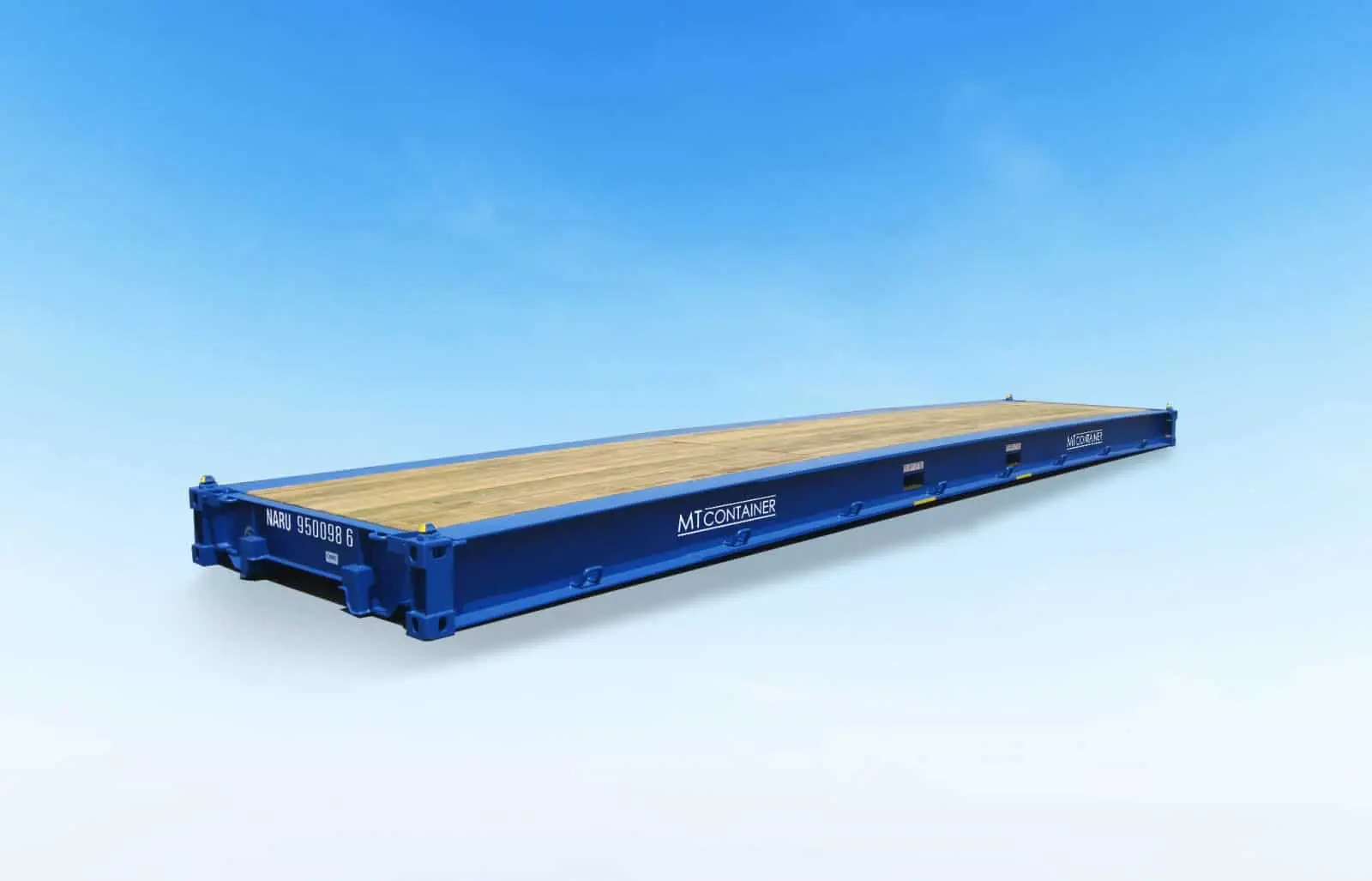
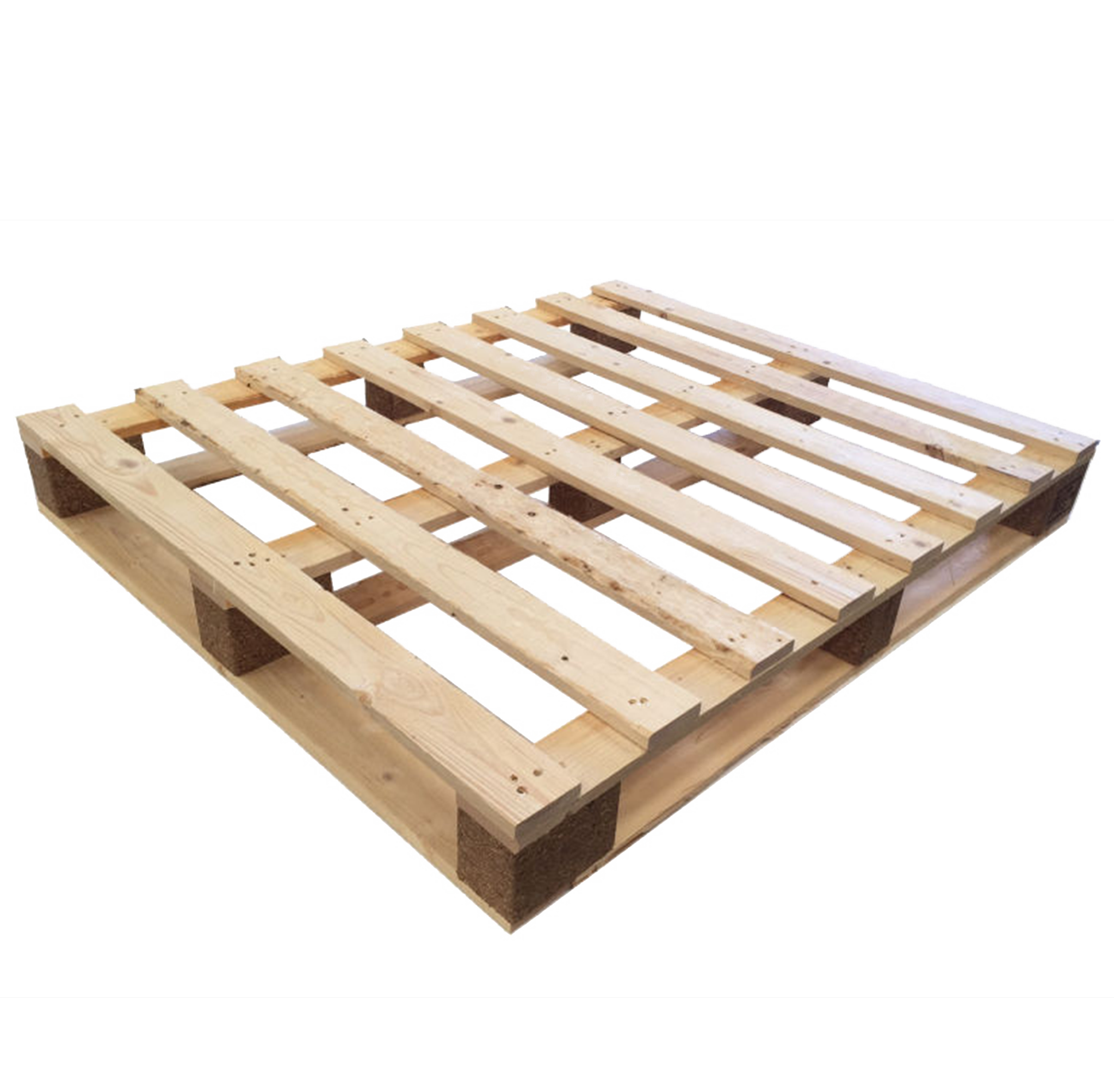
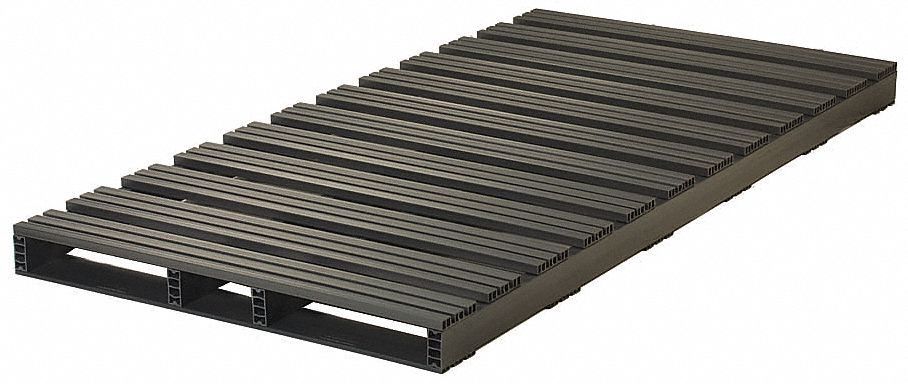
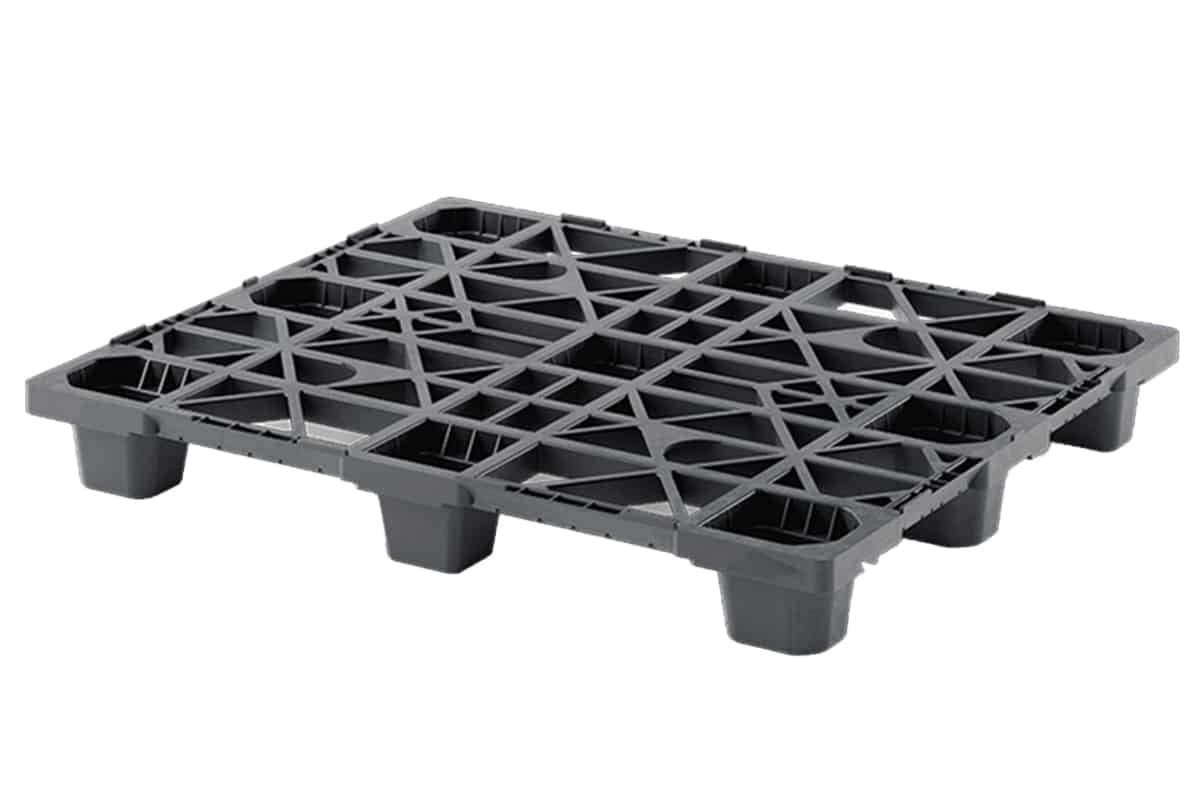
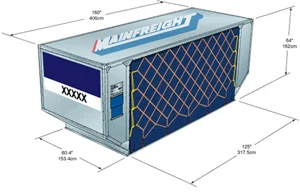
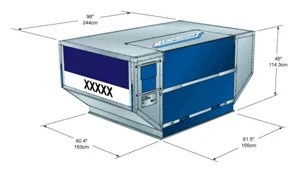
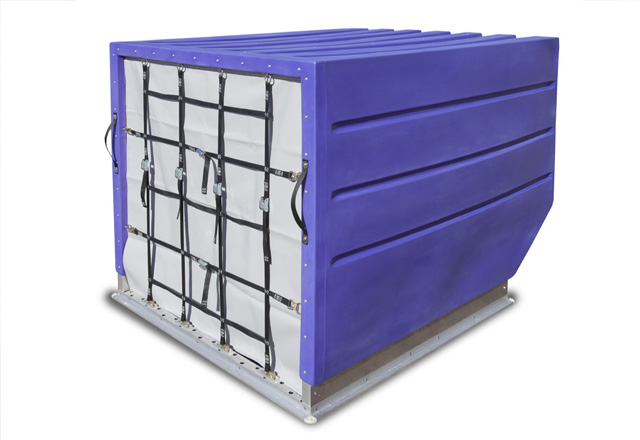
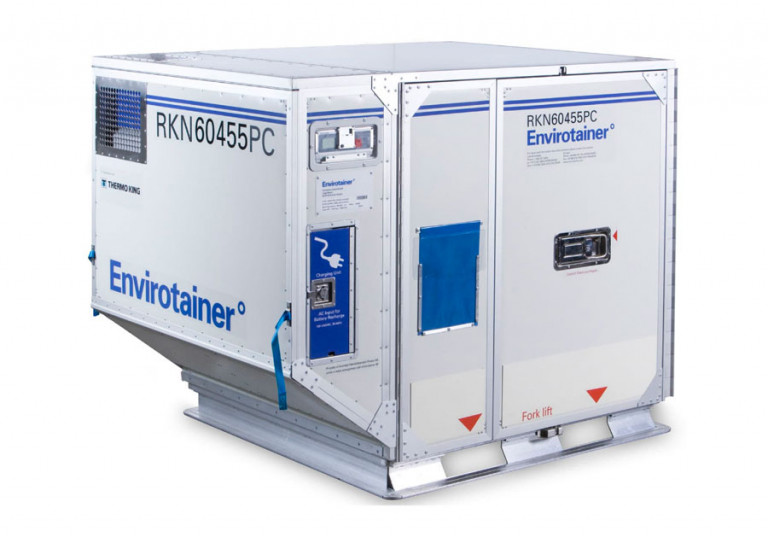
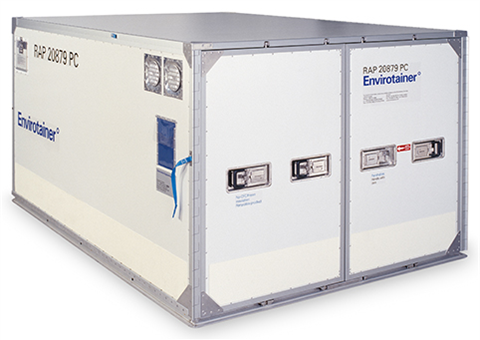
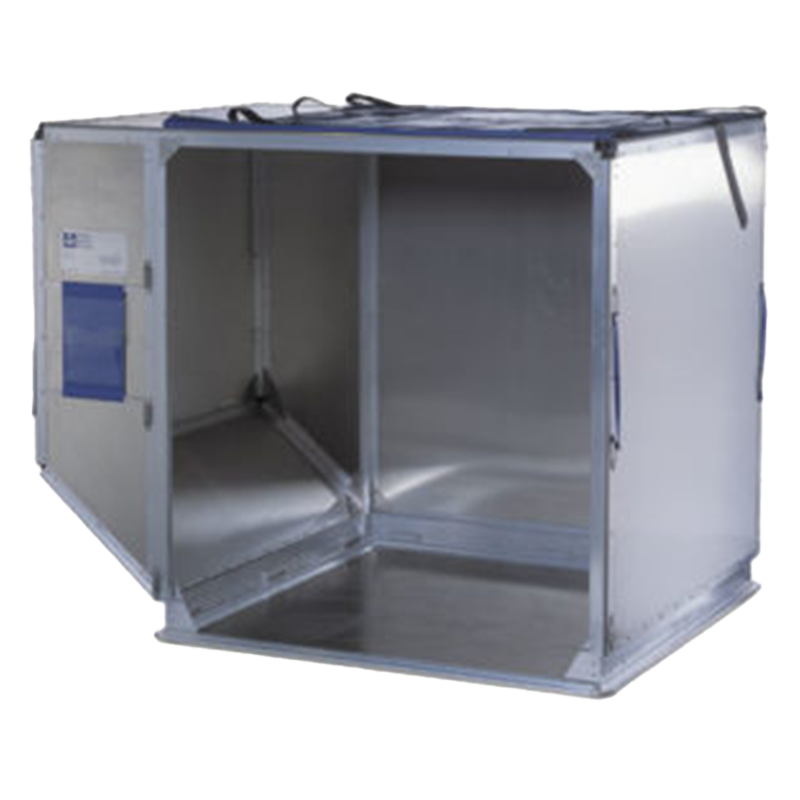
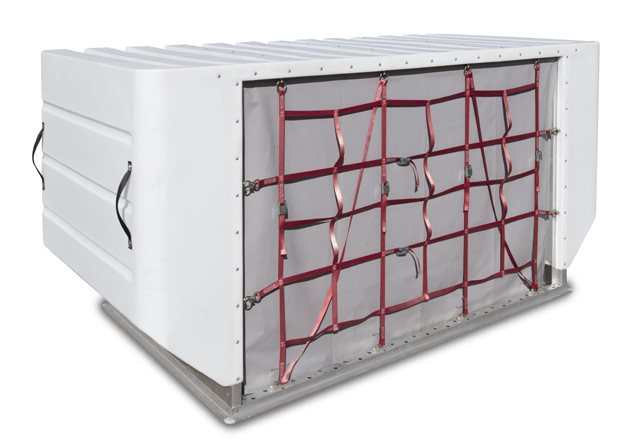
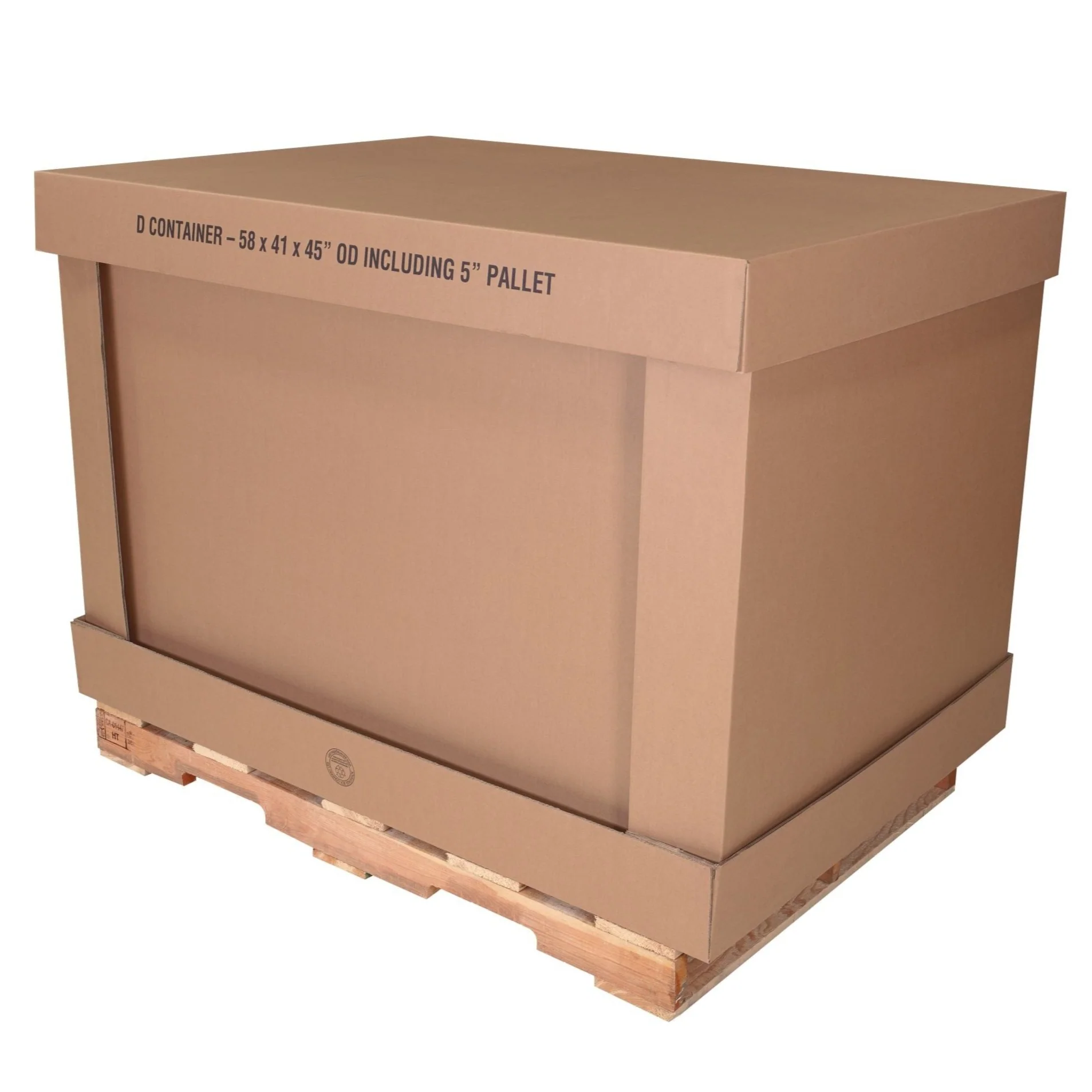
Air Freight Containers & Pallets
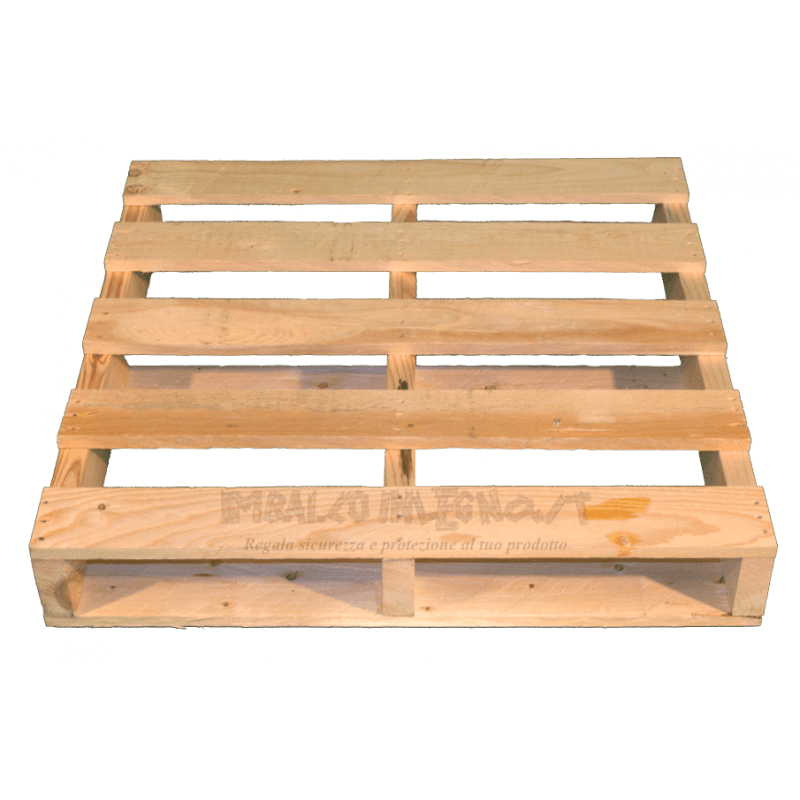
A wide range of Unit Load Devices (ULDs) for various air cargo needs, from standard pallets to specialized containers.



Dangerous Goods Classification
Dangerous goods are categorized into the following classes according to international regulations of the IMDG Code (International Maritime Dangerous Goods code):
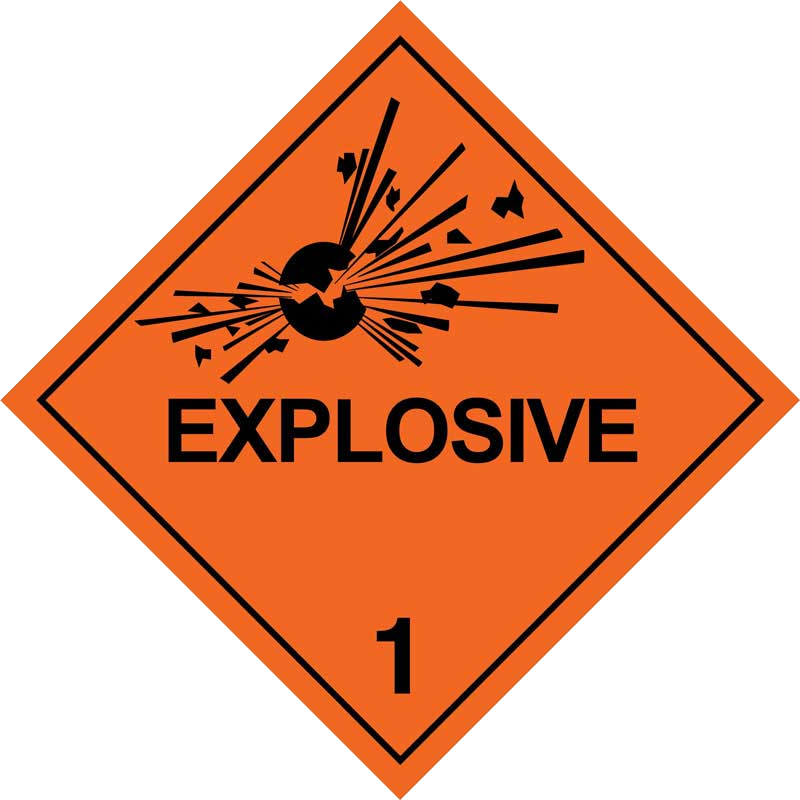
Class 1: Explosives
- Substances at risk of mass explosion.
- Projection hazard but no mass explosion risk.
- Minor fire/blast hazard, no mass explosion risk.
- Substances with no significant hazard.
- Very insensitive substances with mass explosion risk.
- Extremely insensitive articles.
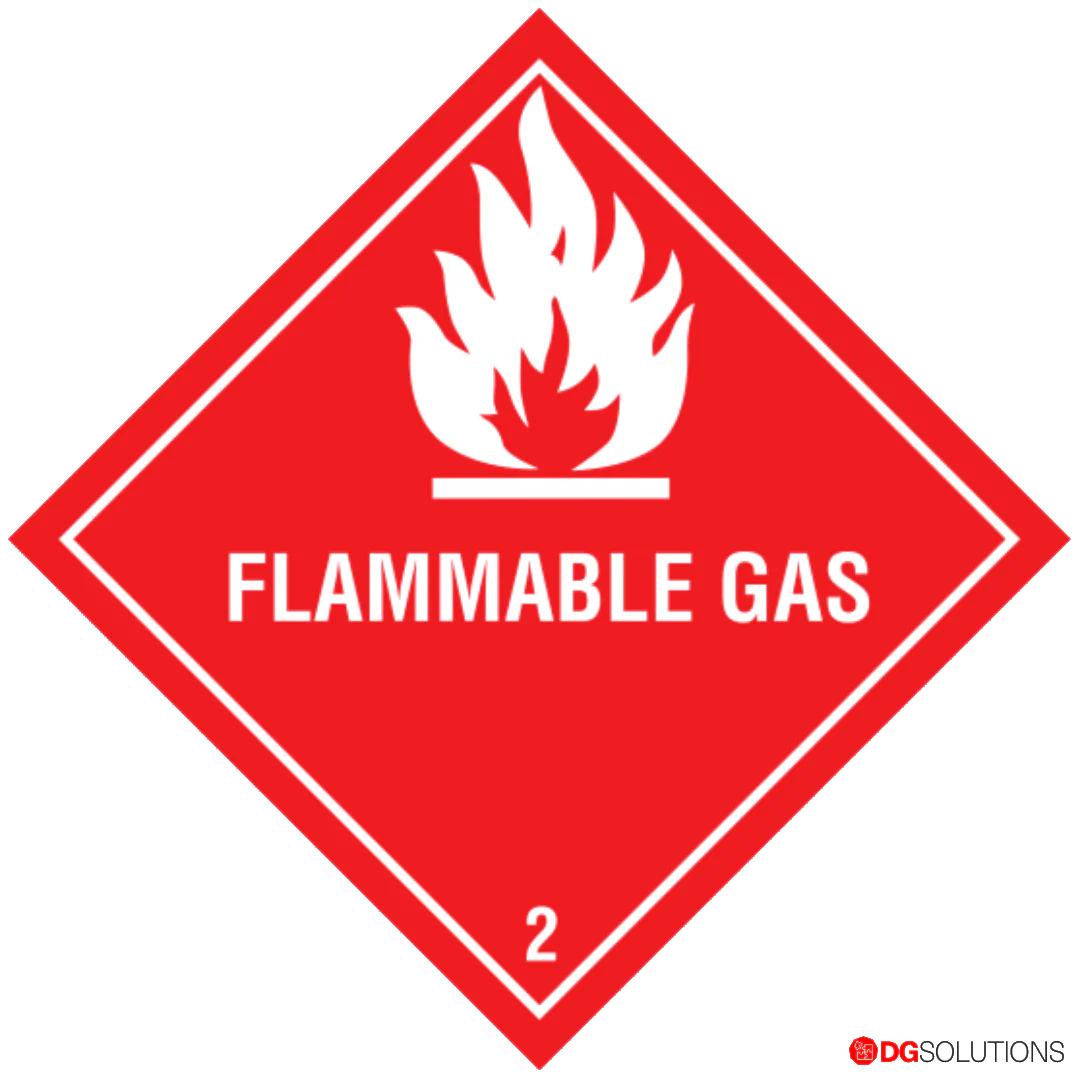
Class 2: Gases
- Flammable gases.
- Non-flammable, non-toxic gases.
- Toxic gases.
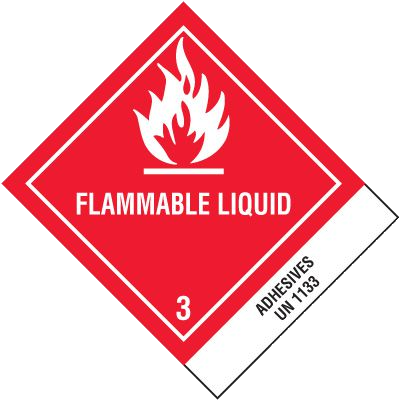
Class 3: Flammable Liquids
This class covers liquids which give off flammable vapor at or below a certain temperature (flash point).
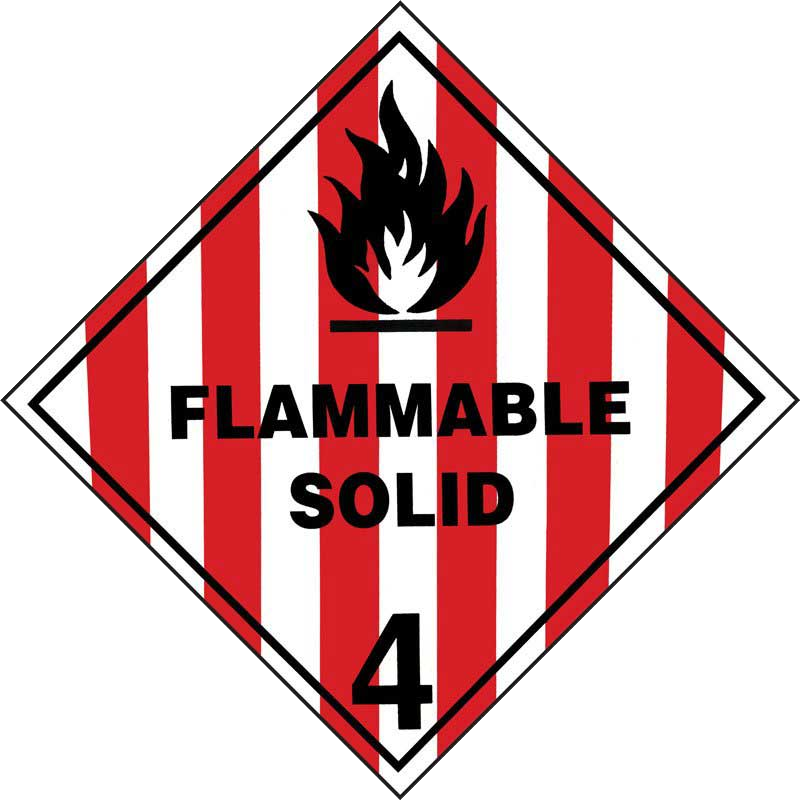
Class 4: Flammable Solids
- Flammable solids, self-reactive substances.
- Spontaneously combustible substances.
- Substances which, in contact with water, emit flammable gases.
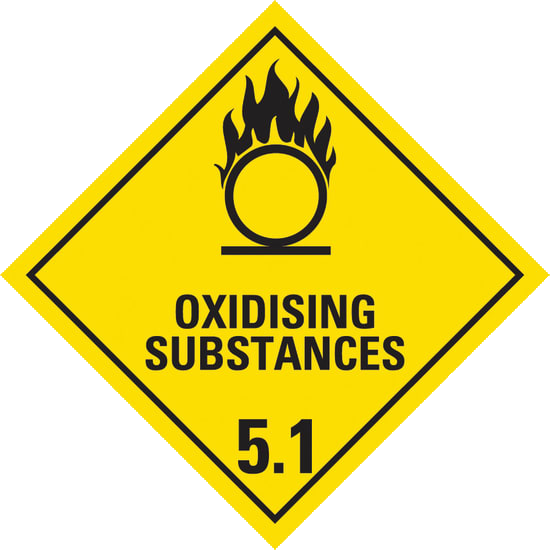
Class 5: Oxidizing Substances
- Oxidizing substances.
- Organic peroxides.
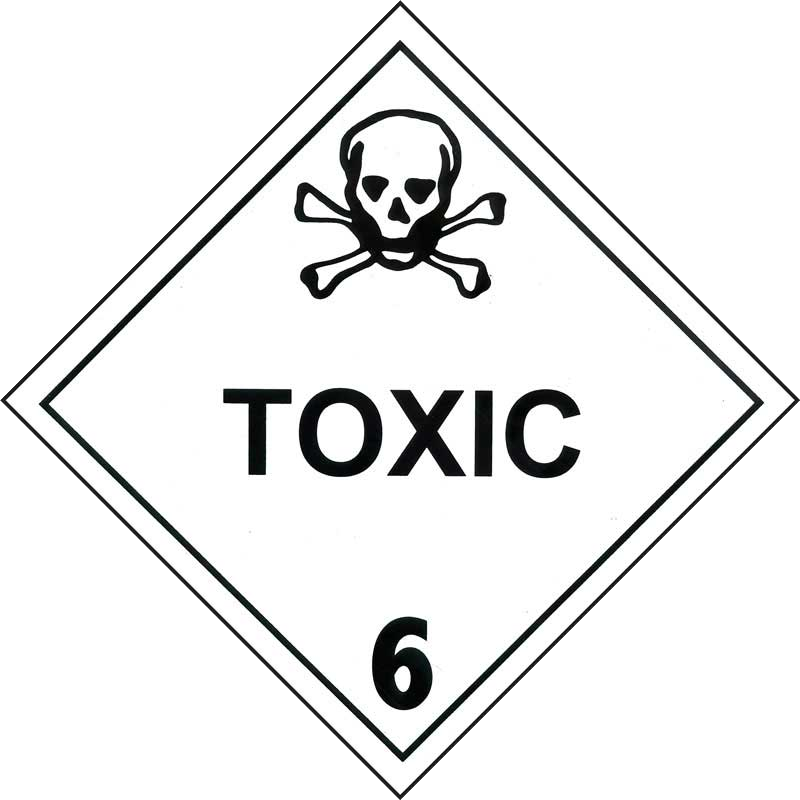
Class 6: Toxic & Infectious
- Toxic substances.
- Infectious substances.
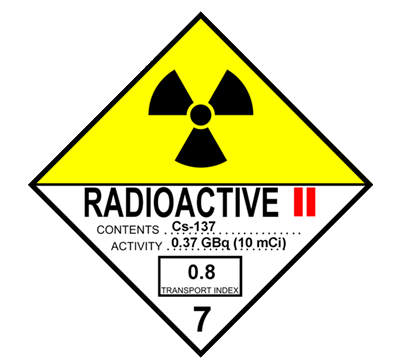
Class 7: Radioactive Material
This class includes any material containing radionuclides where both the activity concentration and the total activity exceed certain pre-defined values.
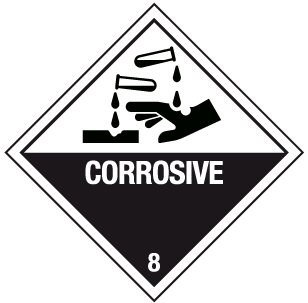
Class 8: Corrosive Substances
These are substances which, by chemical action, will cause severe damage when in contact with living tissue, or, in the case of leakage, will materially damage other goods or the means of transport.
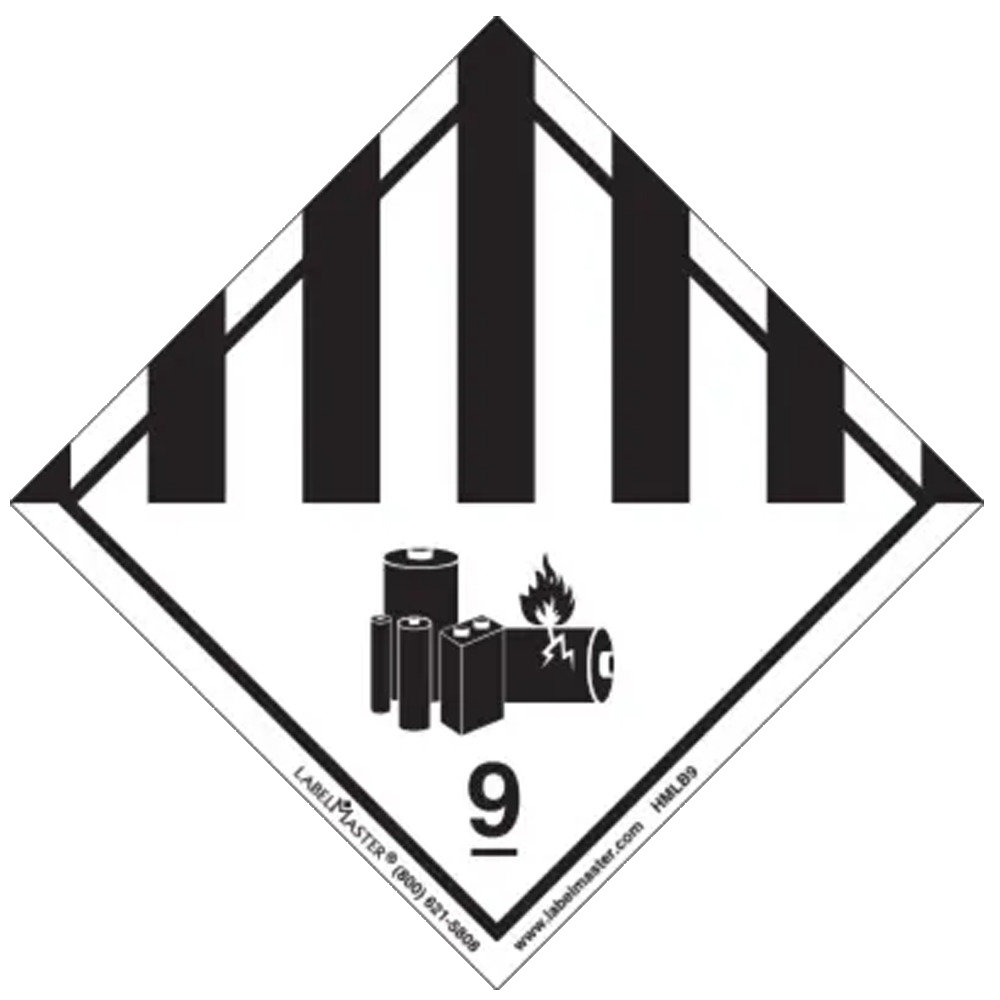
Class 9: Miscellaneous
Hazardous substances that do not fall into the other 8 categories. This includes items like lithium batteries, dry ice, and environmentally hazardous substances.
International Commercial Terms (Incoterms)
Standardized trade terms defining responsibilities between buyers and sellers in international trade.
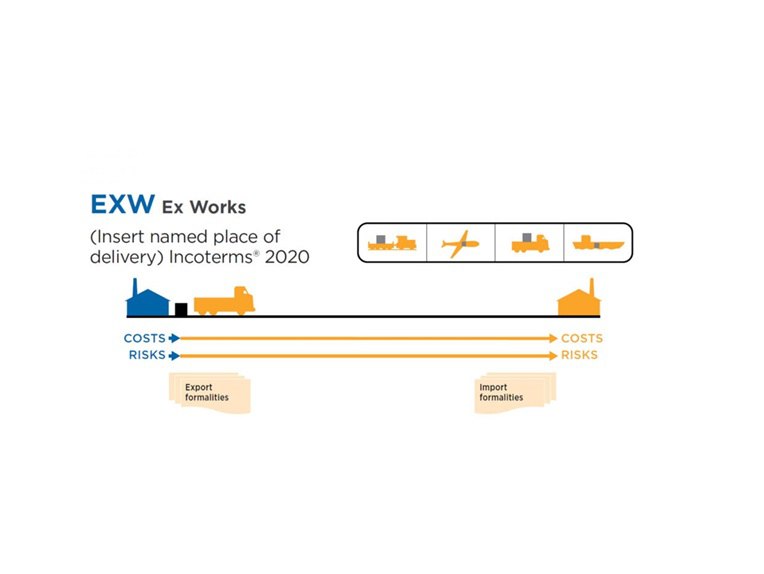
Seller makes goods available at their premises. Buyer bears all costs and risks.
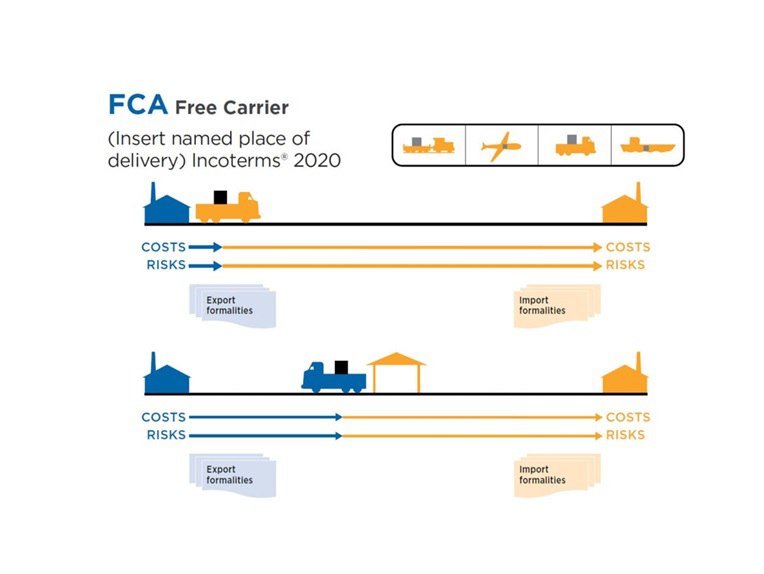
Seller delivers goods to carrier or another party nominated by buyer.
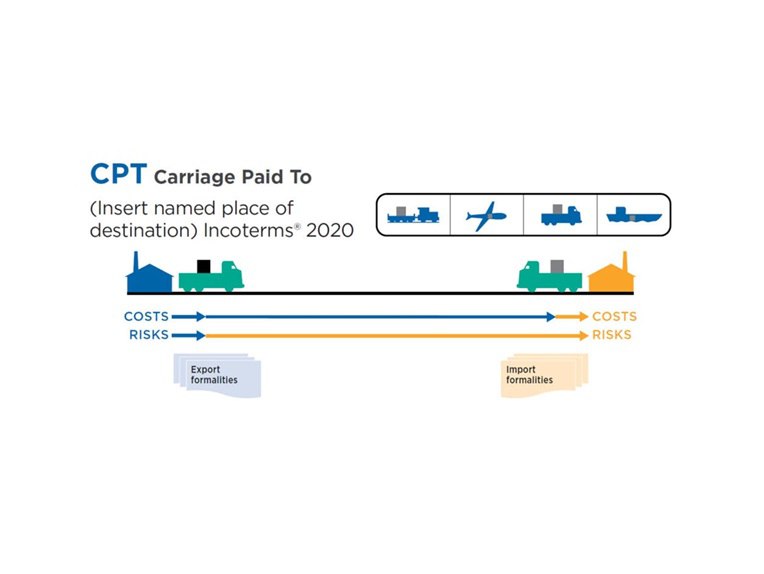
Seller pays freight to named destination, risk transfers when goods are handed to first carrier.
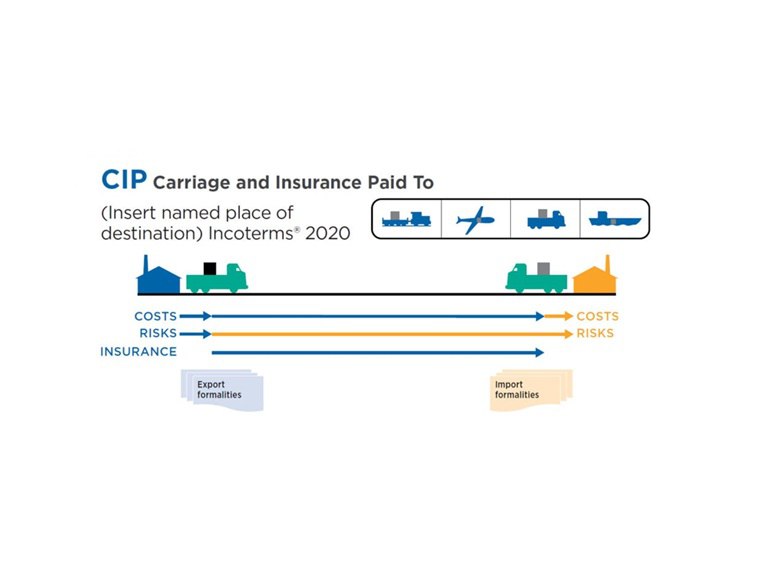
Seller pays freight and insurance to named destination.
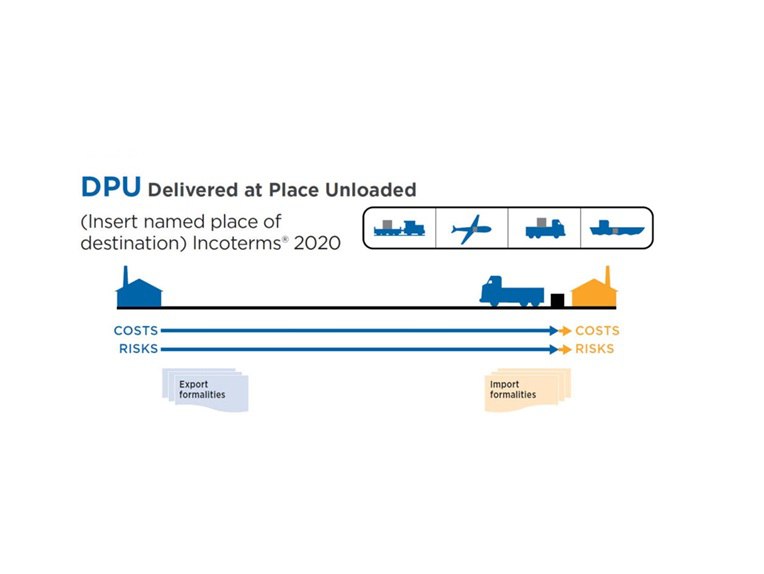
Seller delivers when goods are unloaded at named place of destination.
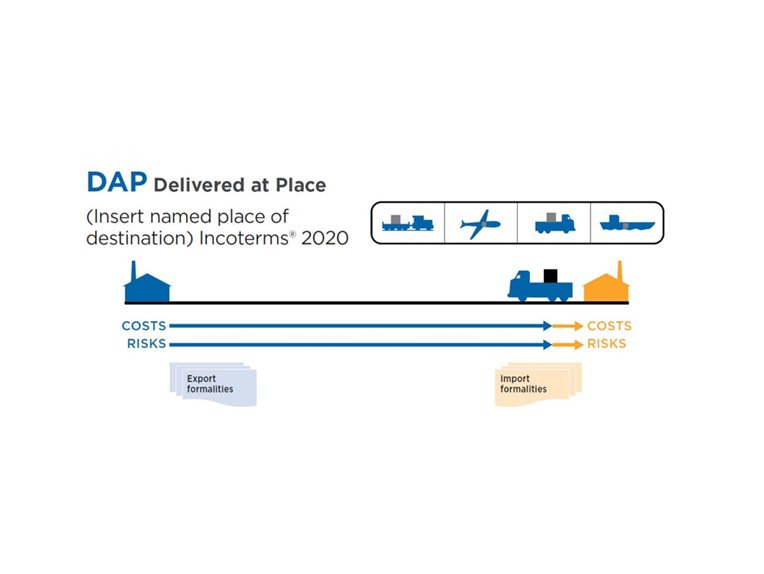
Seller delivers when goods are placed at buyer's disposal at named place.
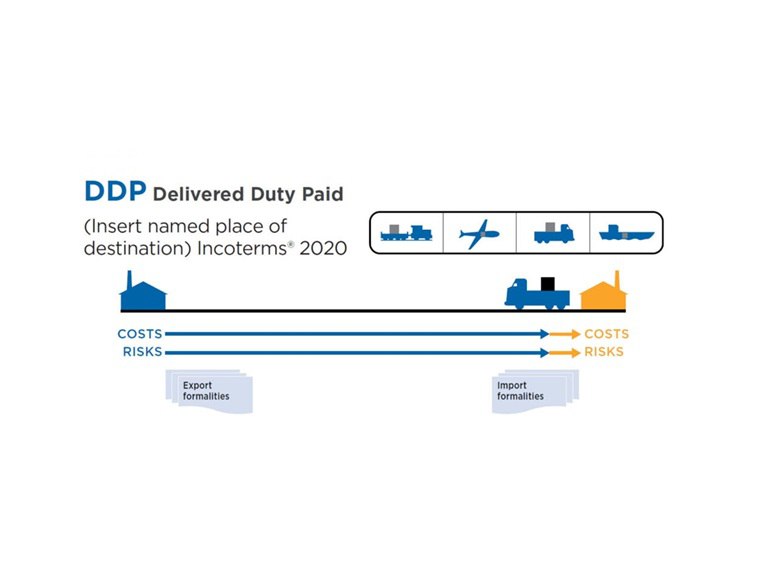
Seller bears all costs and risks including import duties and taxes.
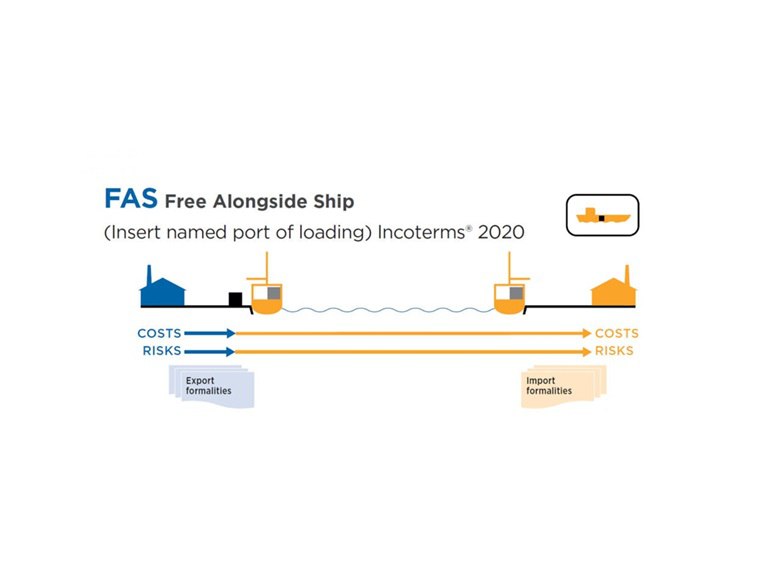
Seller places goods alongside vessel at named port of shipment.
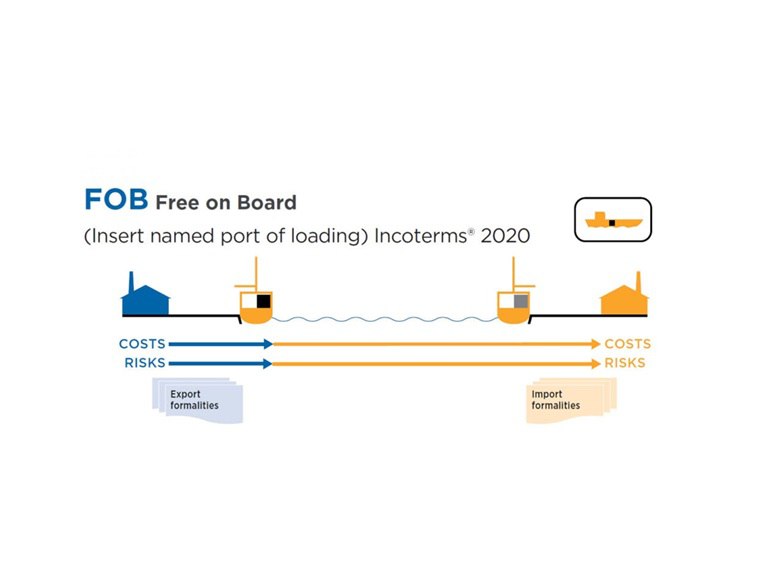
Seller delivers goods on board the vessel nominated by buyer.
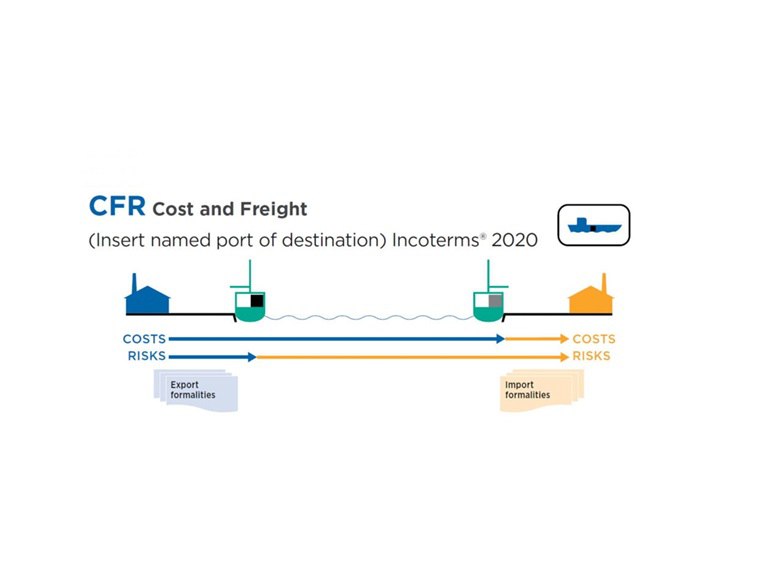
Seller pays costs and freight to bring goods to port of destination.
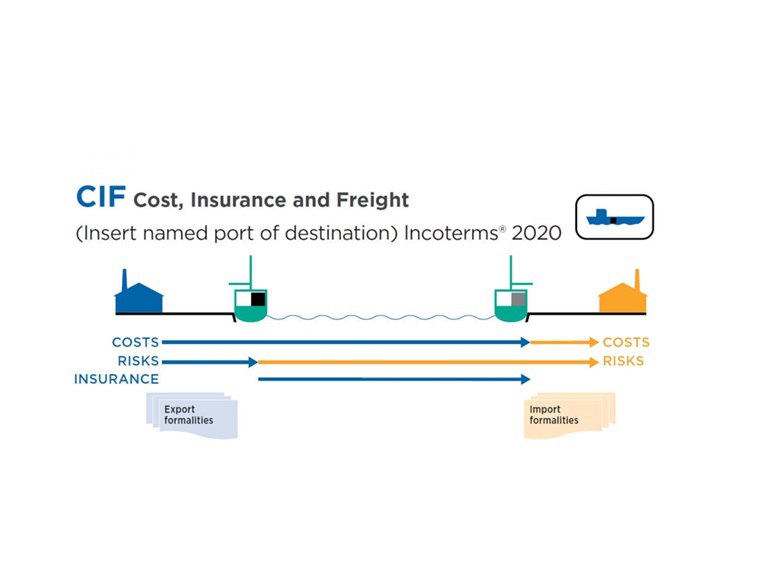
Seller pays costs, freight and insurance to bring goods to port of destination.